Coral Beauty - Centropyge bispinosa
Coral Beauty (Centropyge bispinosa)
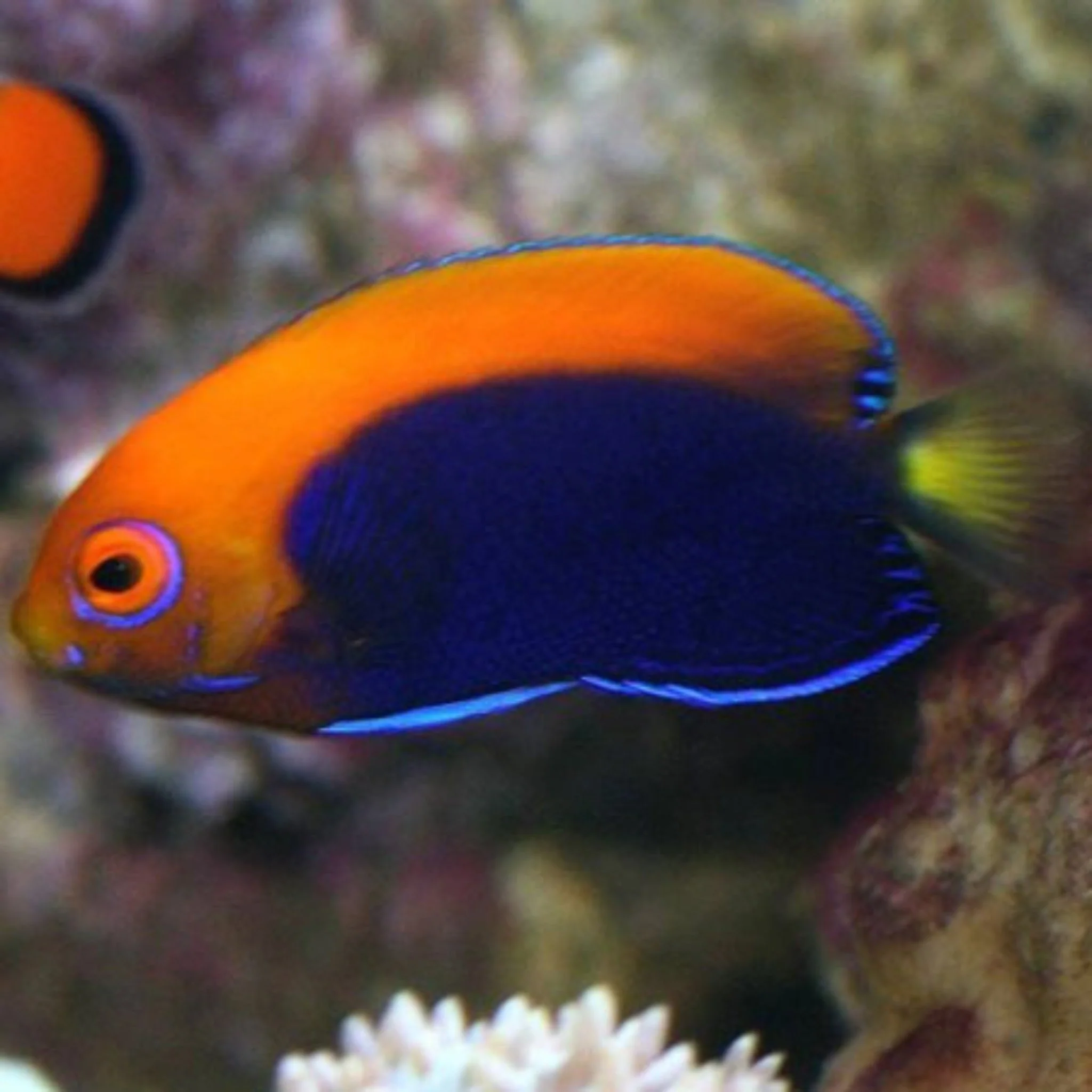
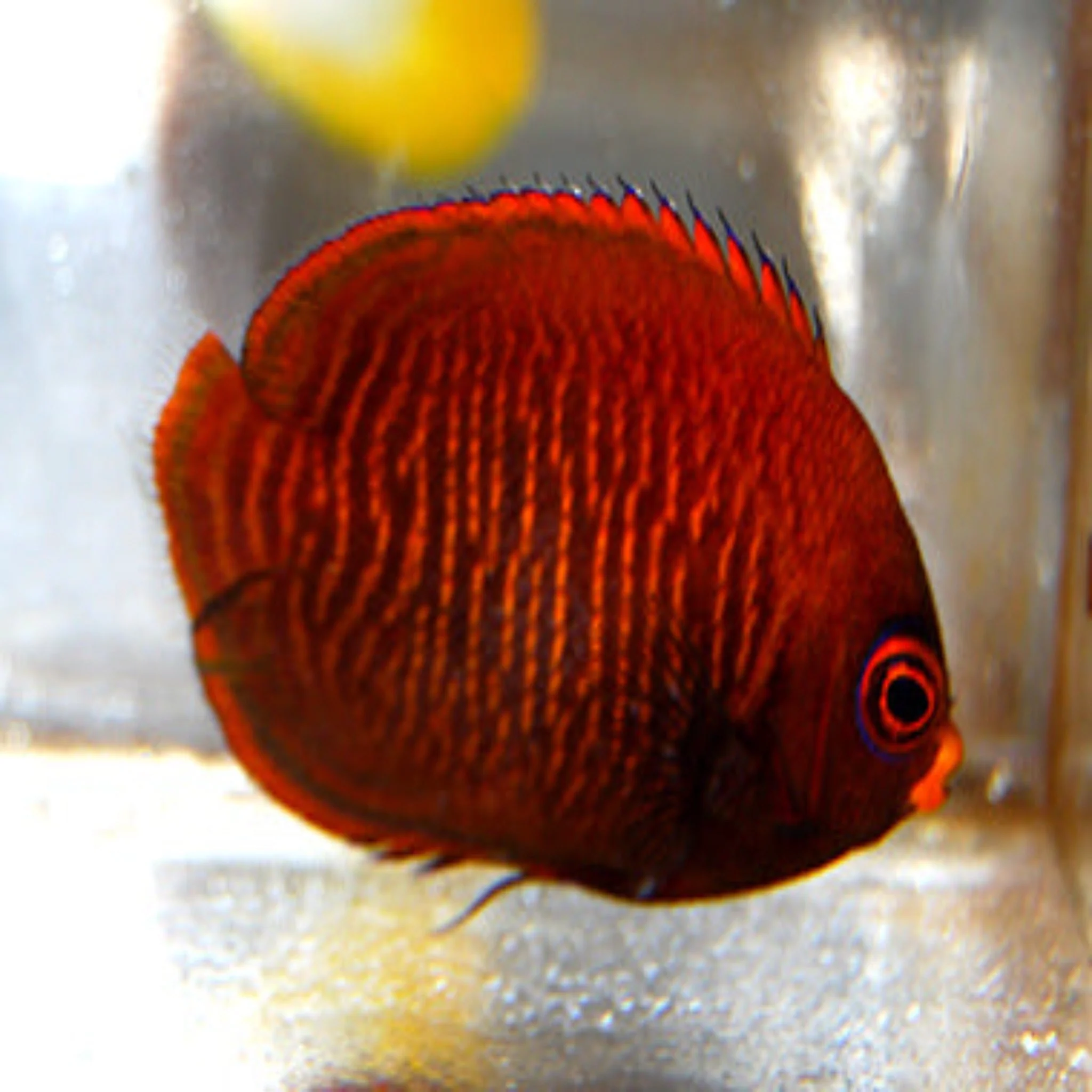
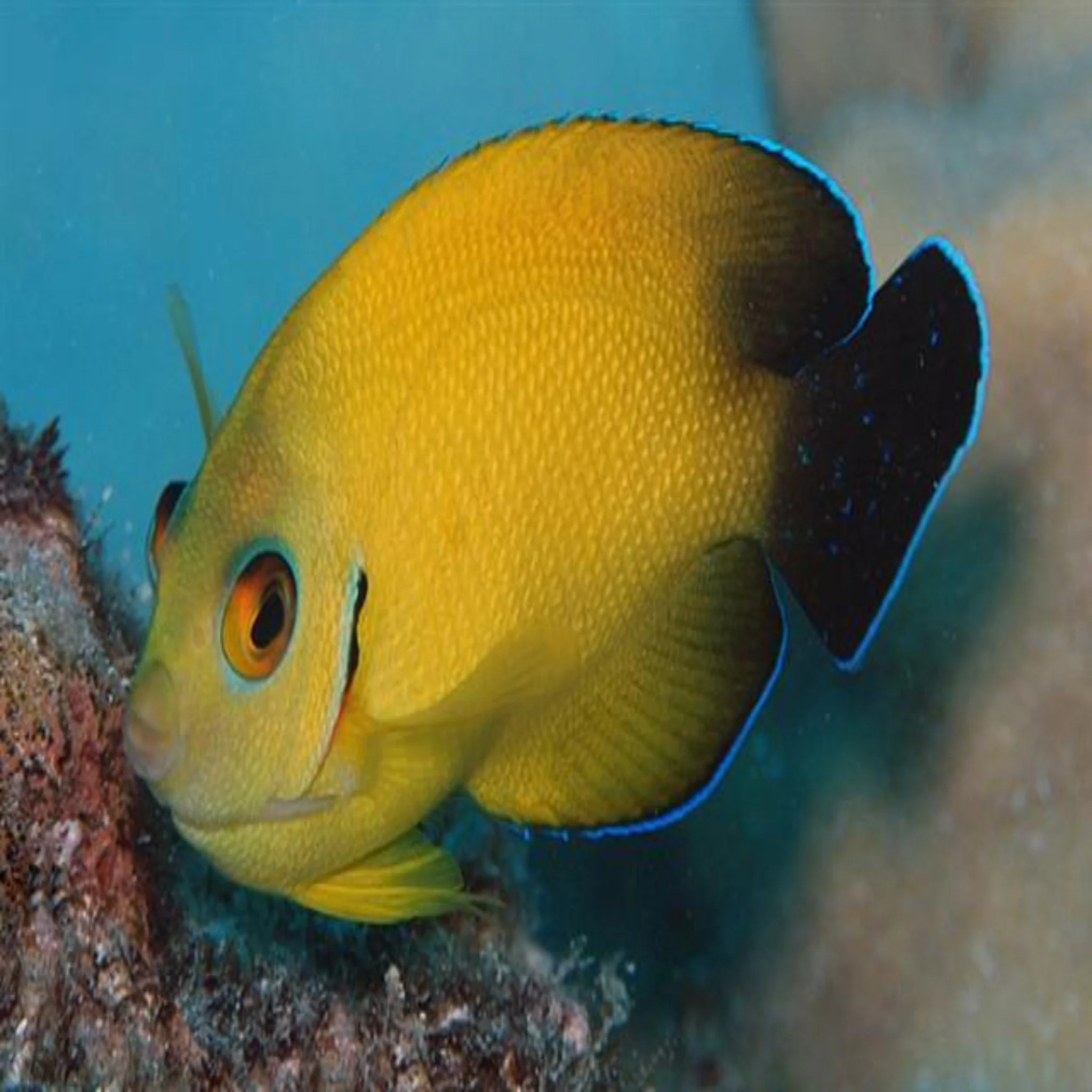
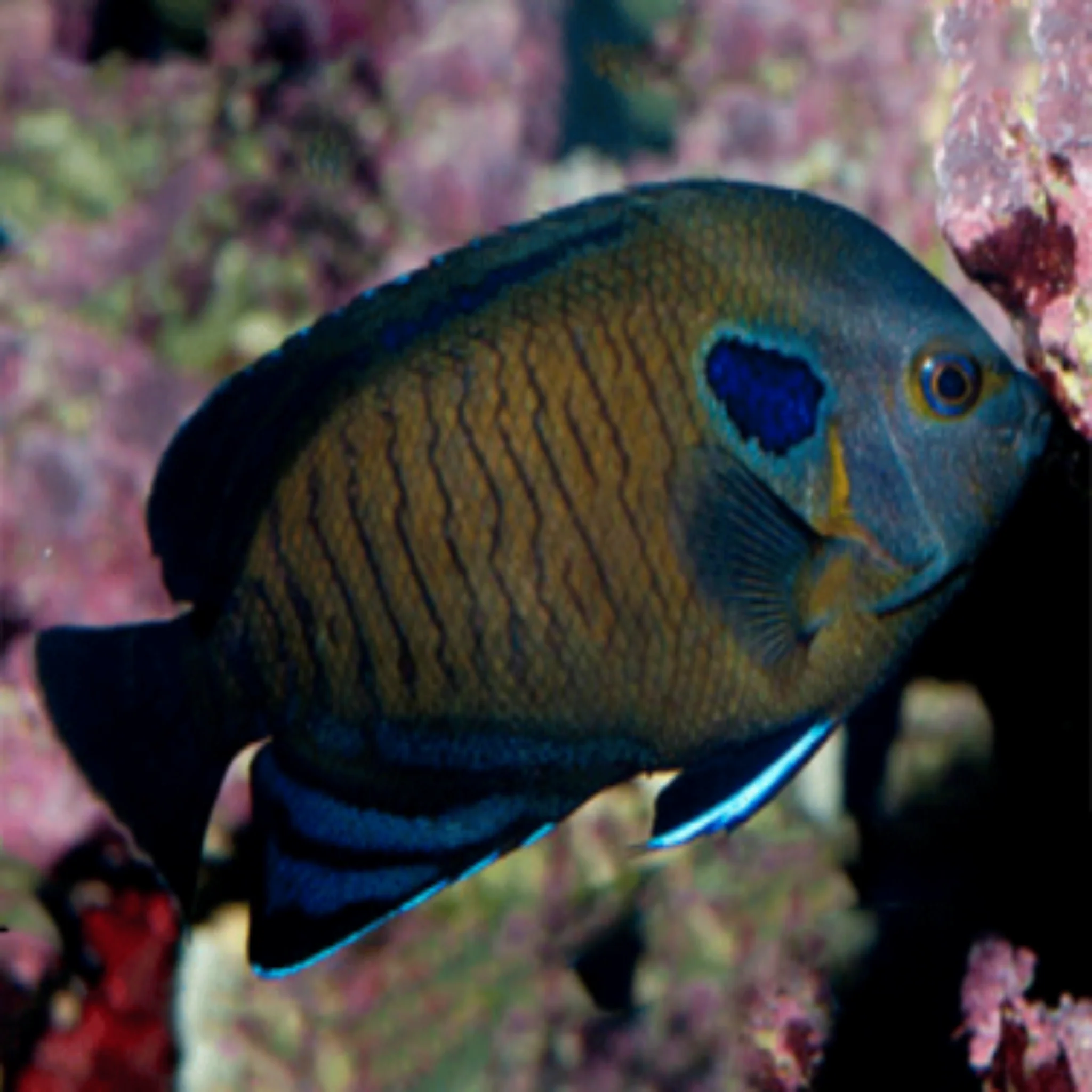
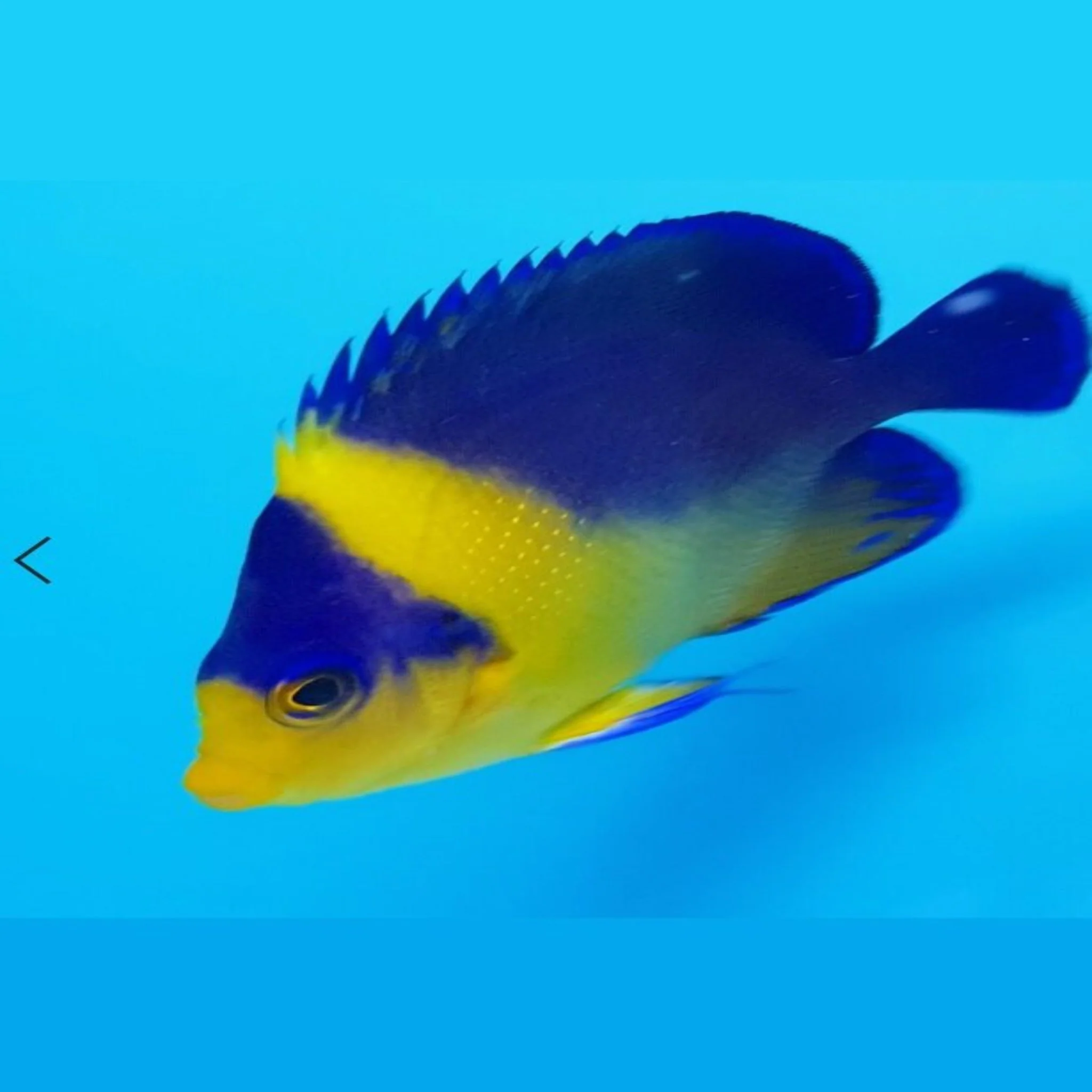
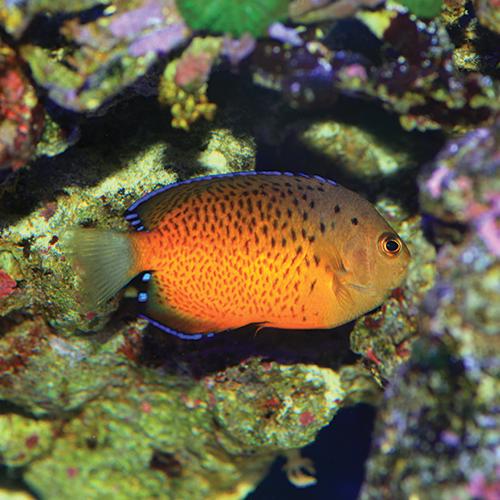
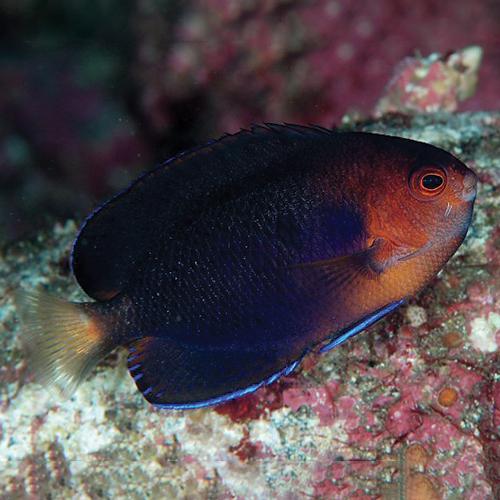
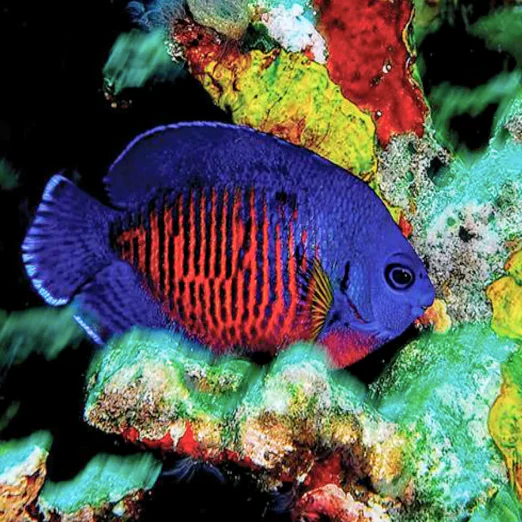
The Coral Beauty, Centropyge bispinosa, is one of the most popular dwarf marine angelfish, admired for its deep blue-purple body, orange to red-orange flanks and electric blue fin edging. Also known as the Twospined Angelfish, this hardy and colourful species is well suited to mature marine aquariums with plenty of live rock for grazing and shelter. It can be kept in reef aquariums with caution, but like most dwarf angels it may nip at some corals or clam mantles, so it is not guaranteed reef safe.
Common Name:
Coral Beauty, Coral Beauty Angelfish, Twospined Angelfish, Dusky Angelfish, Two-spined Angelfish.
Scientific Name (Latin):
Centropyge bispinosa
Maximum Size:
Up to around 11–12 cm.
Water Type:
Marine
Origin / Natural Habitat:
Indo-Pacific. In the wild, Coral Beauties inhabit lagoon reefs and seaward reef slopes, especially areas with rich coral growth and plenty of rock structure. They are naturally secretive, often found singly, in pairs or in small harem groups, grazing algae and picking over reef surfaces.
Water Parameters:
Temperature: 24–27°C
pH Range: 8.1–8.4
Hardness or Salinity: Marine salinity 1.023–1.026 specific gravity; stable reef-quality water with good oxygenation is recommended.
Temperament:
Semi-aggressive. Coral Beauties are generally manageable dwarf angelfish, but they can become territorial once settled, especially towards other dwarf angels or similarly shaped fish. Add with care to peaceful communities and avoid keeping multiple Centropyge species together unless the aquarium is large and carefully planned.
Diet:
Omnivorous grazer. Offer a varied marine diet including spirulina flakes, marine algae sheets, angelfish preparations, high-quality pellets, mysis shrimp, brineshrimp, krill, finely chopped seafood and frozen marine mixes. Regular algae-based foods are important, as this species naturally feeds heavily on algae and biofilm.
Minimum Tank Size:
A minimum of 250 litres is recommended for a single specimen, with larger aquariums preferred for mixed reef or community setups. Provide plenty of mature live rock with caves, overhangs and grazing surfaces.
Behaviour & Activity:
An active but shelter-loving dwarf angelfish that spends much of the day weaving through rockwork, grazing surfaces and patrolling its chosen area. It may be shy when first introduced, but usually becomes bolder once settled. Colour intensity can vary between individuals, localities, lighting and diet.
Reef Safe:
Reef Safe with Caution
Often kept successfully in reef aquariums, but it may nip at large-polyp stony corals, soft coral polyps, zoanthids or clam mantles. Risk varies between individuals and is reduced by providing a mature aquarium, regular feeding and plenty of natural grazing, but it can never be guaranteed completely coral safe.
Special Requirements or Care Notes:
Provide a mature marine aquarium with stable water quality, live rock, caves and open swimming space. Avoid brand-new or sterile aquariums, as Coral Beauties settle best where they can graze naturally throughout the day. A varied diet with algae and sponge/angelfish foods helps maintain colour and condition. Use caution with very peaceful or newly added fish, as established Coral Beauties may defend territory. A secure lid is recommended.
Suitable for:
Intermediate marine fishkeepers
Availability:
Common in trade / Wild-caught and captive-bred availability may vary
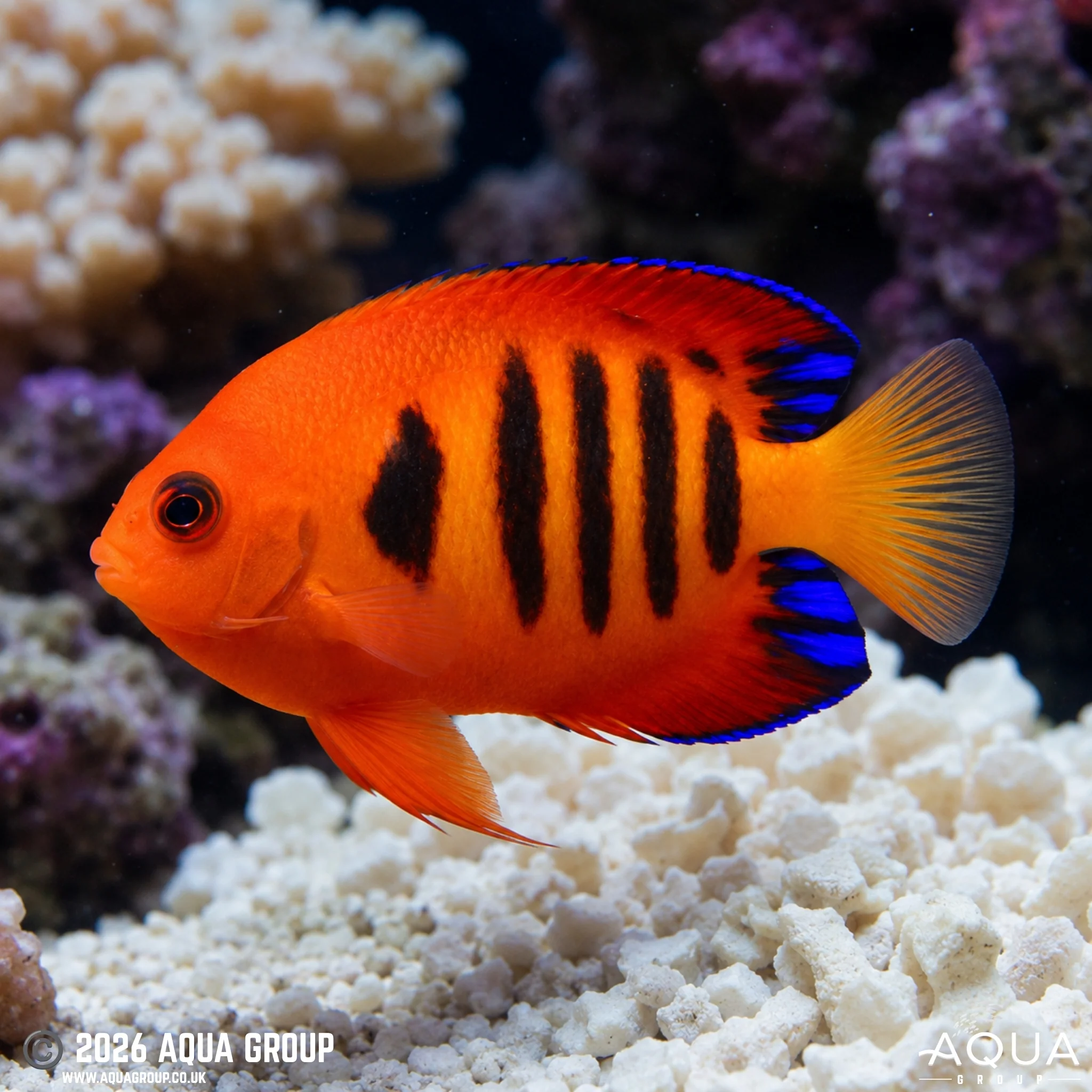
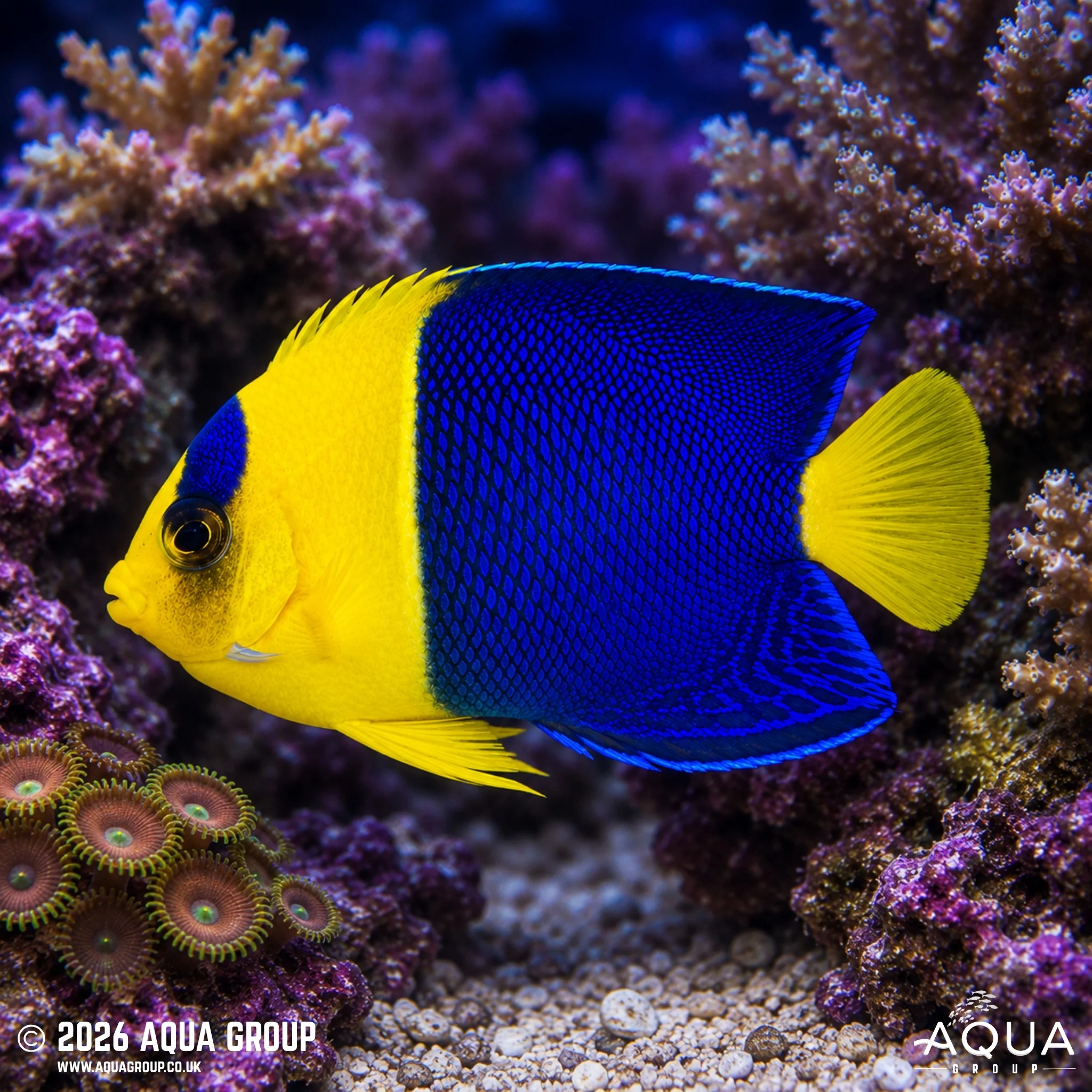
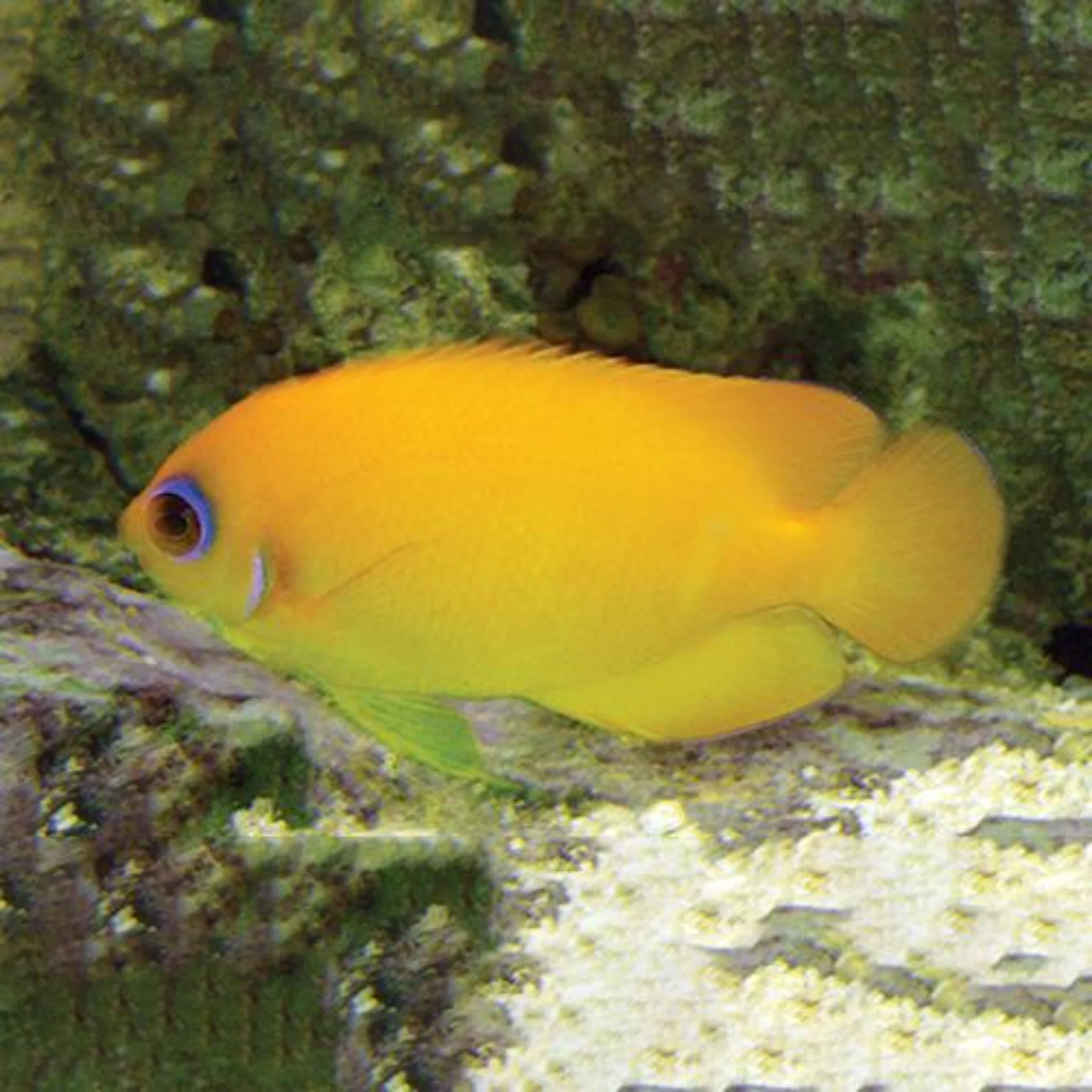
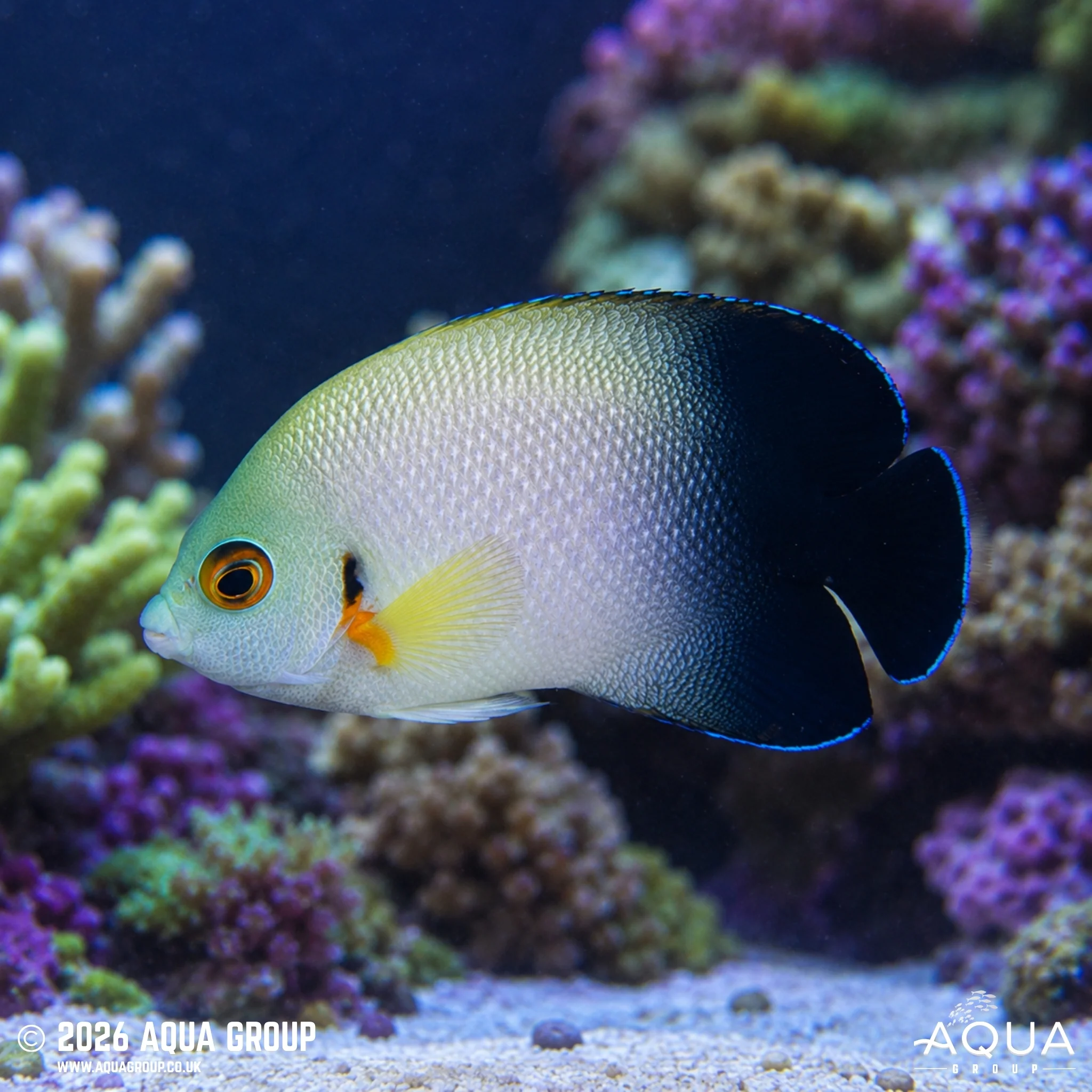
All images are a visual representation of the fish you will receive, made to be as accurate as possible. Please note that Mother Nature is a wonderful thing, and variation in patterns and colours will occur — that is part of the unique beauty of these animals.
Product Information
Product Information
Shipping & Returns
Shipping & Returns
Coral Beauty - Centropyge bispinosa
Coral Beauty - Centropyge bispinosa
Coral Beauty (Centropyge bispinosa)
The Coral Beauty, Centropyge bispinosa, is one of the most popular dwarf marine angelfish, admired for its deep blue-purple body, orange to red-orange flanks and electric blue fin edging. Also known as the Twospined Angelfish, this hardy and colourful species is well suited to mature marine aquariums with plenty of live rock for grazing and shelter. It can be kept in reef aquariums with caution, but like most dwarf angels it may nip at some corals or clam mantles, so it is not guaranteed reef safe.
Common Name:
Coral Beauty, Coral Beauty Angelfish, Twospined Angelfish, Dusky Angelfish, Two-spined Angelfish.
Scientific Name (Latin):
Centropyge bispinosa
Maximum Size:
Up to around 11–12 cm.
Water Type:
Marine
Origin / Natural Habitat:
Indo-Pacific. In the wild, Coral Beauties inhabit lagoon reefs and seaward reef slopes, especially areas with rich coral growth and plenty of rock structure. They are naturally secretive, often found singly, in pairs or in small harem groups, grazing algae and picking over reef surfaces.
Water Parameters:
Temperature: 24–27°C
pH Range: 8.1–8.4
Hardness or Salinity: Marine salinity 1.023–1.026 specific gravity; stable reef-quality water with good oxygenation is recommended.
Temperament:
Semi-aggressive. Coral Beauties are generally manageable dwarf angelfish, but they can become territorial once settled, especially towards other dwarf angels or similarly shaped fish. Add with care to peaceful communities and avoid keeping multiple Centropyge species together unless the aquarium is large and carefully planned.
Diet:
Omnivorous grazer. Offer a varied marine diet including spirulina flakes, marine algae sheets, angelfish preparations, high-quality pellets, mysis shrimp, brineshrimp, krill, finely chopped seafood and frozen marine mixes. Regular algae-based foods are important, as this species naturally feeds heavily on algae and biofilm.
Minimum Tank Size:
A minimum of 250 litres is recommended for a single specimen, with larger aquariums preferred for mixed reef or community setups. Provide plenty of mature live rock with caves, overhangs and grazing surfaces.
Behaviour & Activity:
An active but shelter-loving dwarf angelfish that spends much of the day weaving through rockwork, grazing surfaces and patrolling its chosen area. It may be shy when first introduced, but usually becomes bolder once settled. Colour intensity can vary between individuals, localities, lighting and diet.
Reef Safe:
Reef Safe with Caution
Often kept successfully in reef aquariums, but it may nip at large-polyp stony corals, soft coral polyps, zoanthids or clam mantles. Risk varies between individuals and is reduced by providing a mature aquarium, regular feeding and plenty of natural grazing, but it can never be guaranteed completely coral safe.
Special Requirements or Care Notes:
Provide a mature marine aquarium with stable water quality, live rock, caves and open swimming space. Avoid brand-new or sterile aquariums, as Coral Beauties settle best where they can graze naturally throughout the day. A varied diet with algae and sponge/angelfish foods helps maintain colour and condition. Use caution with very peaceful or newly added fish, as established Coral Beauties may defend territory. A secure lid is recommended.
Suitable for:
Intermediate marine fishkeepers
Availability:
Common in trade / Wild-caught and captive-bred availability may vary
All images are a visual representation of the fish you will receive, made to be as accurate as possible. Please note that Mother Nature is a wonderful thing, and variation in patterns and colours will occur — that is part of the unique beauty of these animals.
Original: $56.30
-70%$56.30
$16.89Product Information
Product Information
Shipping & Returns
Shipping & Returns
Description
Coral Beauty (Centropyge bispinosa)
The Coral Beauty, Centropyge bispinosa, is one of the most popular dwarf marine angelfish, admired for its deep blue-purple body, orange to red-orange flanks and electric blue fin edging. Also known as the Twospined Angelfish, this hardy and colourful species is well suited to mature marine aquariums with plenty of live rock for grazing and shelter. It can be kept in reef aquariums with caution, but like most dwarf angels it may nip at some corals or clam mantles, so it is not guaranteed reef safe.
Common Name:
Coral Beauty, Coral Beauty Angelfish, Twospined Angelfish, Dusky Angelfish, Two-spined Angelfish.
Scientific Name (Latin):
Centropyge bispinosa
Maximum Size:
Up to around 11–12 cm.
Water Type:
Marine
Origin / Natural Habitat:
Indo-Pacific. In the wild, Coral Beauties inhabit lagoon reefs and seaward reef slopes, especially areas with rich coral growth and plenty of rock structure. They are naturally secretive, often found singly, in pairs or in small harem groups, grazing algae and picking over reef surfaces.
Water Parameters:
Temperature: 24–27°C
pH Range: 8.1–8.4
Hardness or Salinity: Marine salinity 1.023–1.026 specific gravity; stable reef-quality water with good oxygenation is recommended.
Temperament:
Semi-aggressive. Coral Beauties are generally manageable dwarf angelfish, but they can become territorial once settled, especially towards other dwarf angels or similarly shaped fish. Add with care to peaceful communities and avoid keeping multiple Centropyge species together unless the aquarium is large and carefully planned.
Diet:
Omnivorous grazer. Offer a varied marine diet including spirulina flakes, marine algae sheets, angelfish preparations, high-quality pellets, mysis shrimp, brineshrimp, krill, finely chopped seafood and frozen marine mixes. Regular algae-based foods are important, as this species naturally feeds heavily on algae and biofilm.
Minimum Tank Size:
A minimum of 250 litres is recommended for a single specimen, with larger aquariums preferred for mixed reef or community setups. Provide plenty of mature live rock with caves, overhangs and grazing surfaces.
Behaviour & Activity:
An active but shelter-loving dwarf angelfish that spends much of the day weaving through rockwork, grazing surfaces and patrolling its chosen area. It may be shy when first introduced, but usually becomes bolder once settled. Colour intensity can vary between individuals, localities, lighting and diet.
Reef Safe:
Reef Safe with Caution
Often kept successfully in reef aquariums, but it may nip at large-polyp stony corals, soft coral polyps, zoanthids or clam mantles. Risk varies between individuals and is reduced by providing a mature aquarium, regular feeding and plenty of natural grazing, but it can never be guaranteed completely coral safe.
Special Requirements or Care Notes:
Provide a mature marine aquarium with stable water quality, live rock, caves and open swimming space. Avoid brand-new or sterile aquariums, as Coral Beauties settle best where they can graze naturally throughout the day. A varied diet with algae and sponge/angelfish foods helps maintain colour and condition. Use caution with very peaceful or newly added fish, as established Coral Beauties may defend territory. A secure lid is recommended.
Suitable for:
Intermediate marine fishkeepers
Availability:
Common in trade / Wild-caught and captive-bred availability may vary
All images are a visual representation of the fish you will receive, made to be as accurate as possible. Please note that Mother Nature is a wonderful thing, and variation in patterns and colours will occur — that is part of the unique beauty of these animals.